
How COVID-19 Changed Medical Education Forever: A Global Perspective
Table of Contents
- Introduction
- The Shift to Online & Hybrid Learning
- Innovation in Clinical Training
- Assessment and Exams Reinvented
- Focus on Public Health and Pandemic Preparedness
- Wellbeing and Student Support
- Technology Adoption and Global Innovation
- Long-Term Impacts and the Future of Medical Education
- Frequently Asked Questions (FAQ)
- Conclusion
How COVID-19 Changed Medical Education Forever: A Global Perspective. The COVID-19 pandemic disrupted education worldwide, and medical schools were among the most affected. From Europe to North America, Asia, Africa, and Latin America, universities had to rethink their approaches to teaching, assessment, and clinical training. The crisis forced rapid innovation, creating lasting changes that are shaping the next generation of doctors globally.
In this article, we explore the major transformations COVID-19 brought to medical education, what they mean for students, and how the future of medical training is evolving.
Introduction
Before COVID-19, medical education was largely in-person, with lectures, labs, and hospital rotations forming the backbone of training. When the pandemic hit, universities faced immediate challenges: closed classrooms, restricted hospital access, and canceled examinations.
- Rapid global shift to online learning and digital resources.
- Expansion of telemedicine as a formal part of the curriculum.
- Increased focus on public health, epidemiology, and crisis preparedness.
“COVID-19 didn’t just change how we teach; it changed the skills we now consider essential for every doctor.” – Global Medical Educator
The Shift to Online & Hybrid Learning
Pre-Clinical Theory Goes Digital
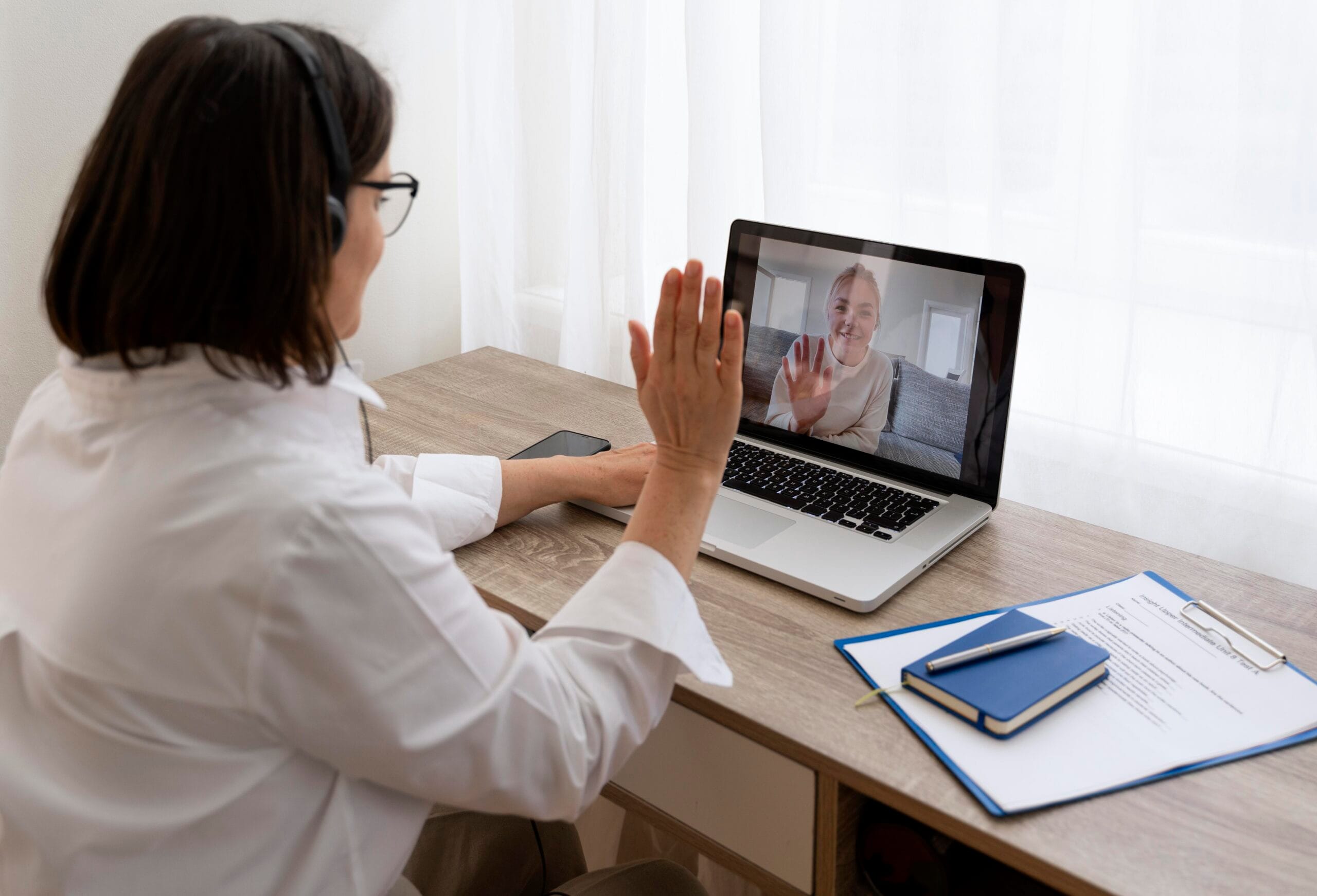
Medical schools quickly moved pre-clinical subjects like anatomy, physiology, pharmacology, and pathology to online platforms:
- Live streaming of lectures via Zoom, Microsoft Teams, and Panopto.
- Pre-recorded video modules for self-paced review.
- Interactive quizzes, discussion boards, and digital assignments.
Example: Harvard Medical School, USA, adopted a hybrid learning approach where students attended live lectures virtually and completed interactive problem-based learning modules online.
Advantages and Challenges
Advantages:
- Flexibility for international students.
- Recordings allow repeated viewing for deeper understanding.
- Ability to bring in global experts for lectures.
Challenges:
- Limited hands-on lab experience.
- Technology access and internet stability in developing countries.
- Engagement and motivation require new strategies.
Case Studies: Global Approaches
- Europe: UK and German medical schools used hybrid labs—small in-person sessions combined with online tutorials.
- North America: US and Canadian schools provided virtual cadaver labs and online 3D anatomy platforms.
- Asia & Africa: Low-bandwidth platforms, downloadable lectures, and regional simulation centers enabled continuity in resource-limited areas.
Innovation in Clinical Training
Virtual Simulations and VR Labs
Clinical rotations faced restrictions due to patient safety concerns. Schools implemented:
- VR-based surgical simulations and interactive case studies.
- High-fidelity mannequins for hands-on practice with social distancing.
- Virtual patient consultations for diagnostic and treatment practice.
Telemedicine Integration
Telemedicine became a core teaching tool:
- Students learned remote patient assessment techniques.
- Exposure to international teleconsultations provided cross-cultural experience.
- Telemedicine competencies now included in licensing exams in some countries.
Global Clinical Rotation Adjustments
- Hospitals limited in-person student numbers.
- Virtual ward rounds and live-streamed surgeries became standard.
- Example: In South Africa, students followed daily ward rounds via mobile apps connecting multiple hospitals.
Assessment and Exams Reinvented
Online Written Exams
Universities adopted online platforms with secure proctoring, allowing continuity without compromising integrity.
OSCEs and Skills Assessments
- Modified OSCEs using actors on video calls or simulation software.
- Focus on clinical reasoning over rote memorization.
- Some universities introduced remote viva exams to assess communication skills.
Global Trends and Examples
- US schools used Zoom-based Objective Structured Clinical Exams.
- European universities integrated virtual patient software into final assessments.
- Online evaluations have become a permanent option, even post-pandemic.
Focus on Public Health and Pandemic Preparedness
Curriculum Changes
- Epidemiology, vaccination, outbreak response, and health policy became mandatory components.
Increased Interest in Infectious Disease & Epidemiology
- Enrollment in public health and infectious disease tracks rose globally.
Global Collaborations in Public Health Education
- Partnerships with WHO, CDC, and regional health bodies enabled student participation in real-world pandemic response simulations.
Wellbeing and Student Support
Mental Health Initiatives
- Online counseling and wellness workshops became widespread.
- Peer support groups and stress-management programs grew in popularity.
Flexible Learning and Student Engagement
- Schools introduced hybrid schedules and flexible deadlines.
- Emphasis on holistic student development beyond academics.
Technology Adoption and Global Innovation
AI, VR, and Simulation Platforms
- Virtual reality labs for anatomy, surgery, and diagnostics.
- AI-assisted learning tools providing instant feedback on clinical decisions.
Digital Learning Networks Across Borders
- Students now participate in global online case discussions, research collaborations, and international workshops.

Long-Term Impacts and the Future of Medical Education
Hybrid Models as Standard
- Combining online theory with targeted in-person practical sessions.
- Universities are adopting flexible, tech-enhanced models permanently.
Preparing Global Doctors for Future Crises
- Students are now trained to respond to global emergencies, epidemics, and rapidly changing healthcare environments.
- Exposure to telemedicine and digital tools ensures readiness for international medical practice.
Frequently Asked Questions (FAQ)
Q1: Will medical education return to fully in-person classes?
A: Hybrid learning is expected to remain a core component globally.
Q2: Are telemedicine skills now mandatory?
A: Many universities now require telemedicine competencies in the curriculum.
Q3: How does this affect international students?
A: Digital platforms increase access and flexibility for students studying abroad.
Q4: Did COVID-19 permanently change assessments?
A: Yes. Online and hybrid exams are now widely accepted as standard practice.
Conclusion
COVID-19 forced a global transformation in medical education. From Europe to North America, Asia, and Africa, the pandemic accelerated:
- Adoption of online and hybrid learning
- Integration of telemedicine and virtual simulations
- Emphasis on public health and pandemic preparedness
- Holistic student support and wellbeing initiatives
- Global collaboration and technology innovation
The result is a more versatile, tech-savvy, and globally aware generation of doctors, prepared to face future healthcare challenges anywhere in the world.